The journey to Mount Kailash and Lake Mansarovar is one of the most sacred pilgrimages in the world. This 3-week expedition takes you to some of the planet’s most remote and spiritually significant locations places where Hindus, Buddhists, Jains, and followers of Bon Po all gather to find spiritual peace.
But let’s be honest: this isn’t a typical vacation. Many travelers ask us the same question before booking: “How difficult is the Kailash Mansarovar Yatra?”
The answer is straightforward. Yes, the Kailash Mansarovar Yatra is challenging. The high altitude, remote terrain, and long travel days test both your body and mind. But thousands of pilgrims complete it successfully every year including first-time trekkers, seniors, and people from all backgrounds.
With proper preparation and realistic expectations, you can experience this transformative journey safely and meaningfully.
Is Kailash Mansarovar Yatra Difficult?
Yes, the Kailash Mansarovar Yatra is challenging. But it’s absolutely achievable.
The difficulty isn’t about technical climbing or extreme athleticism. You won’t need specialized mountaineering skills. Instead, the challenge comes from altitude, remote conditions, and the demands of trekking in one of the world’s highest regions.
Here’s what makes it difficult:
- High altitude (above 5,000 meters) that affects your oxygen levels and energy
- Long driving days on rough roads to reach the trekking area
- Cold temperatures and sudden weather changes
- Basic facilities in remote Himalayan areas
- Physical endurance needed for daily walking
- Mental resilience to adapt to changing conditions
The good news? Thousands of pilgrims—including seniors and beginner trekkers—complete this journey every year. The key difference between those who struggle and those who thrive is preparation.
Proper training, acclimatization, and realistic expectations make a massive difference.
What Makes Kailash Mansarovar Yatra Difficult?
Understanding the specific challenges helps you prepare better. Let’s break down what you’ll actually face.
High Altitude and Low Oxygen
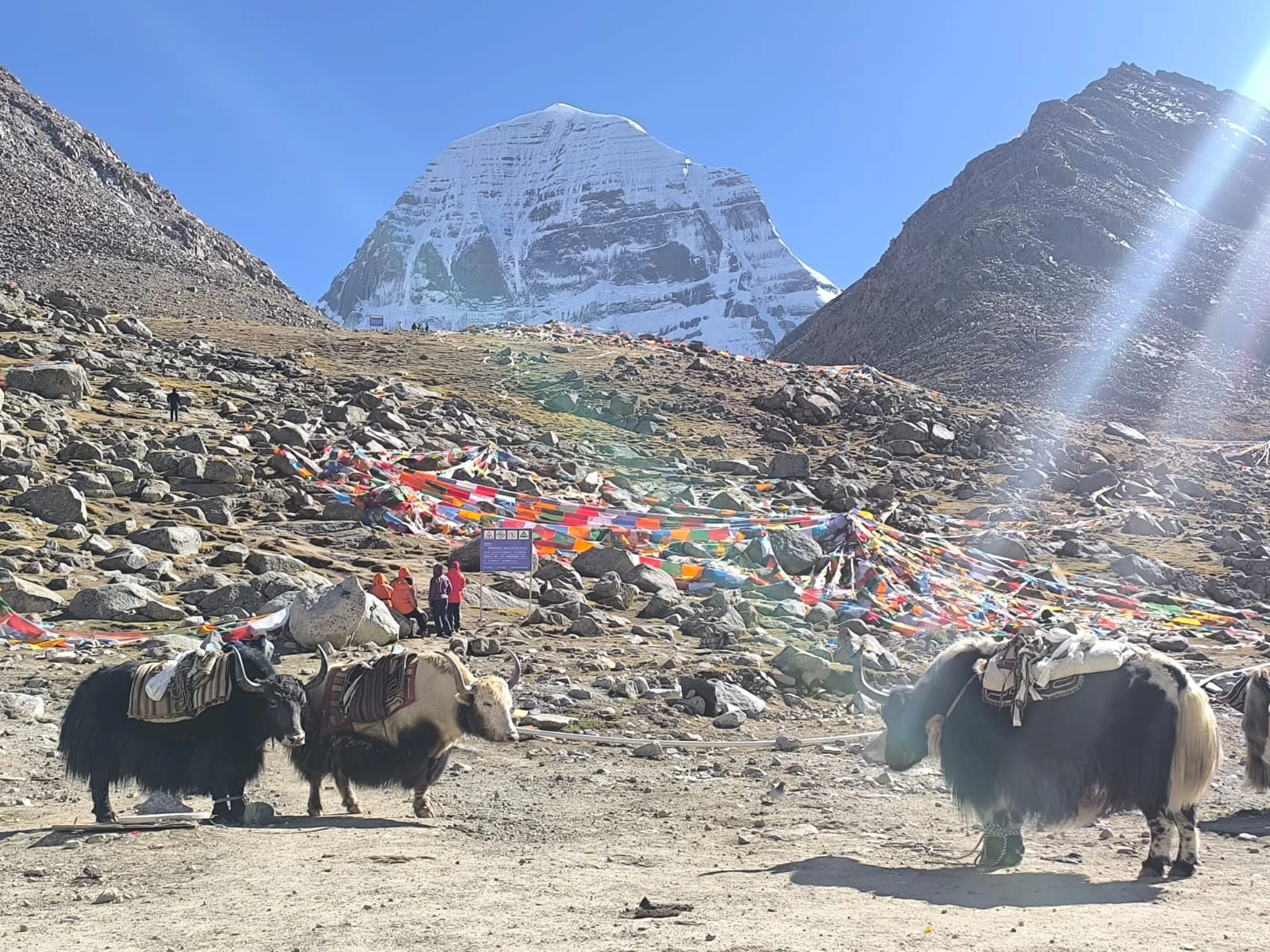
The most significant challenge you’ll encounter is altitude. Mount Kailash stands at 6,638 meters, and your trekking route passes through areas above 5,000 meters for several days.
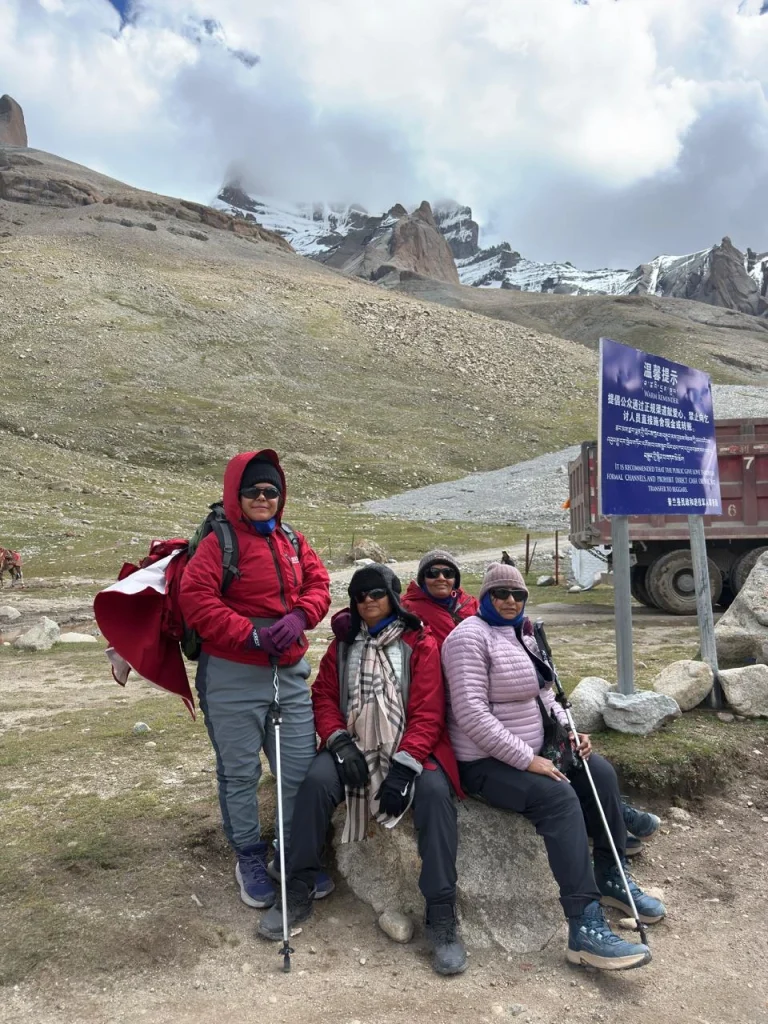
At these heights, the air contains roughly half the oxygen available at sea level. Your body has to work harder to extract what oxygen is available. This causes:
- Shortness of breath even with light activity
- Fatigue that feels disproportionate to your effort
- Slower movement than you’re used to
- Reduced energy levels throughout the day
- Difficulty sleeping on the first few nights at altitude
Your lungs expand slightly as your body adjusts, but this process called acclimatization takes time. That’s why we build rest days into every good Kailash Mansarovar itinerary.
The altitude affects everyone differently. Even very fit athletes sometimes struggle more than less athletic people. Your age, hydration level, and how quickly you gain altitude all play a role.
Long Driving and Travel Days
Getting to the Kailash region involves extensive driving through Tibet’s remote regions. You’ll spend:
- 12-16 hours driving on some days across rough, high-altitude roads
- Multiple high-altitude passes where the road climbs rapidly
- Long road stretches with minimal facilities
- Travel fatigue that compounds the altitude challenge
The roads themselves are challenging. Many sections are unpaved or partially paved. You’ll experience bumpy rides, dust, and occasional closures due to weather. The constant motion, altitude, and rough conditions combine to create genuine travel fatigue.
This is different from trekking difficulty – it’s the cumulative strain of being in a vehicle for extended periods at altitude with limited comfort.
Cold Weather and Sudden Climate Changes
The Tibetan Plateau has an extreme climate. Weather can shift dramatically and without warning.
During the trekking season (April-October), daytime temperatures vary widely:
- Summer days can be pleasant, around 15-20°C (59-68°F)
- Nights drop to freezing at 0°C to -5°C (32°F to 23°F)
- Sudden snowfall can occur even in summer
- High winds are common, especially at passes and exposed areas
- Strong UV radiation at altitude causes rapid sunburn
You need proper layering, a quality sleeping bag rated for cold temperatures, and windproof clothing. Hypothermia is a real risk if you’re unprepared.
The climate challenge isn’t just about comfort – it’s a genuine safety consideration that affects how you trek and rest.
Basic Accommodation and Limited Facilities
This journey takes you through some of Earth’s most remote regions. Accommodation and facilities reflect that reality.
You’ll stay in:
- Teahouses and guesthouses with basic amenities
- Dormitory-style rooms shared with other pilgrims
- Limited electricity and hot water
- Basic toilet facilities
- Minimal privacy
Food options are limited. Fresh vegetables are rare. You’ll often eat simple, repetitive meals—rice, noodles, and basic vegetables. Some travelers struggle with the food quality or repetitiveness. Others embrace it as part of the pilgrimage.
Water availability varies. While teahouses provide water, it’s sometimes limited. You’ll need to carry and drink water consistently for hydration and altitude adjustment.
These aren’t hardships meant to be dramatic – they’re simply realities of traveling in remote areas. But it’s important to know what to expect so you can mentally prepare and bring appropriate items.
Physical Endurance
The Mount Kailash Kora (circumambulation) requires walking for three consecutive days. Each day you’ll walk:
- Day 1: 12-14 kilometers (7-9 miles) relatively easy
- Day 2: 14-16 kilometers (9-10 miles) with the Dolma La Pass crossing
- Day 3: 8-10 kilometers (5-6 miles) easier descent
These aren’t extreme distances by trekking standards, but at altitude with limited oxygen, they demand genuine stamina. You’ll walk slowly, take frequent breaks, and still feel the effort.
The terrain varies from rocky paths to loose scree to fixed ropes on steep sections. Your legs will feel heavy. Your lungs will work hard. By the afternoon of each day, fatigue accumulates.
Without proper training beforehand, you’ll struggle significantly. With training, it becomes challenging but manageable.
Mental Strength and Psychological Challenges
This journey challenges your mind as much as your body.
You’ll face:
- Homesickness on a long expedition
- Monotony of repeated travel and similar accommodations
- Isolation in remote areas with limited communication
- Uncertainty about your body’s acclimatization
- Boredom during long drive days
- Doubt about your ability to complete the trek
Many pilgrims report that the mental challenge is harder than the physical one. The key is maintaining a positive mindset, staying patient with your body’s adjustment, and connecting to the spiritual purpose of the journey.
Experienced travelers recommend:
- Accepting discomfort rather than fighting it
- Finding humor in challenging situations
- Focusing on the spiritual experience rather than just physical achievement
- Journaling or reflecting on the experience
- Connecting with other pilgrims and guides
Kailash Mansarovar Altitude Details: Key Numbers
Understanding the specific altitudes helps you grasp the elevation challenge.
Critical Altitude Points
- Lhasa (starting point): 3,656 meters (12,000 feet)
- Darchen (Kailash base): 4,560 meters (14,960 feet)
- Lake Mansarovar: 4,950 meters (16,240 feet)
- Trekking route average: 5,000-5,500 meters (16,400-18,000 feet)
- Dolma La Pass (highest point): 5,630 meters (18,470 feet)
How Altitude Affects Your Body
At these elevations, several physiological changes occur:
In the first 1-2 days: Your body begins producing more red blood cells to carry oxygen. You might experience mild headaches, slight nausea, or difficulty sleeping.
By day 3-4: Most people feel noticeably better as acclimatization progresses. Energy returns. Sleep improves.
During the trek: You may experience breathlessness during physical activity, general fatigue, or occasional headaches. These typically fade as your body adapts.
The key is gradual ascent. Every good Kailash itinerary includes rest days and gradual altitude gain. This makes an enormous difference in how your body adjusts.
Kailash Kora Difficulty Level: The Heart of the Journey
The Kailash Kora is the most intense section of the entire pilgrimage. This 3-day circumambulation of Mount Kailash is considered the spiritual core of the journey.
What Happens During the Kora
Day 1 – Darchen to Pang Dewa: Approximately 12-14 kilometers of relatively gentle uphill walking. You gain about 500 meters in elevation. This day feels manageable for most people. It’s your introduction to the intensity ahead.
Day 2 – Pang Dewa to Zuthulphuk: This is the difficult day. You’ll walk 14-16 kilometers and face the highlight and challenge of the entire journey: the Dolma La Pass.
Day 3 – Zuthulphuk to Darchen: A shorter, easier 8–10 kilometer walk, mostly downhill. By this point, your legs are tired, but the worst is behind you.
Dolma La Pass: The Toughest Section
Dolma La Pass (5,630 meters) is the highest point and the most challenging part of the Kailash Mansarovar Yatra.
Here’s what makes it difficult:
- Steep, rocky ascent requiring careful footwork
- Loose scree (small rocks) that shift underfoot
- Fixed ropes on some steep sections for safety
- Extreme altitude where oxygen is significantly limited
- Windy conditions that can be dangerous
- Exposed terrain with steep drop-offs on some sections
- Psychological challenge of reaching the highest point
The Dolma La Pass takes roughly 4-5 hours to cross from the base. Many pilgrims take even longer. The pace is slow, the breathing is labored, and the mental focus is intense.
But here’s the critical fact: Thousands of pilgrims cross Dolma La Pass successfully every year. The pass isn’t technically difficult – it requires no climbing skills or special equipment. It’s a walking path, albeit a challenging one.
The key is moving slowly, taking frequent breaks, staying hydrated, and pushing through when your body is tired but not injured.
Experienced guides report that a pilgrim’s mental determination often exceeds what their fitness level alone would suggest. Spiritual motivation carries people through.
Can Beginners Do Kailash Mansarovar Yatra?
Yes. Many beginners complete Kailash Mansarovar successfully.
This is one of the most encouraging facts about the journey. You don’t need extensive trekking experience. You don’t need to be exceptionally athletic. You don’t need to have summited other mountains.
Why Beginners Can Succeed
- No technical climbing required – it’s purely walking on established paths
- Experienced guides familiar with the terrain and altitude challenges
- Gradual acclimatization built into good itineraries
- Community support – you’ll trek with other pilgrims offering encouragement
- Clear infrastructure – established teahouses and facilities along the route
What you do need is honest self-assessment and proper preparation.
Who Completes the Journey
RP Adventures and other operators regularly guide:
- First-time trekkers with no prior hiking experience
- Seniors in their 60s, 70s, and beyond who maintain reasonable fitness
- People recovering from less active lifestyles after proper training
- International travelers unfamiliar with altitude
- Spiritual seekers motivated by pilgrimage rather than athletic achievement
The common factor among successful beginners isn’t athletic background—it’s honest assessment of capability and commitment to preparation.
Kailash Mansarovar Fitness Requirements: Prepare Properly
Preparation makes the difference between struggling through and actually enjoying the journey.
You don’t need to be a marathoner. You do need to build genuine stamina and acclimatize properly.
Pre-Trip Training (3-4 Months Before)
Daily walking practice:
- Start with 30-45 minute walks on flat terrain
- Progress to 60-90 minute walks with elevation changes
- By month 3-4, complete 2-3 hour walks weekly
- Walk consistently, not sporadically
Cardio exercise:
- 30 minutes of cardio activity (running, cycling, swimming) 3-4 times weekly
- Builds aerobic capacity crucial for altitude
- Vary intensity—include both steady-state and interval work
Stair climbing:
- Use stairs at home, at gyms, or find natural hills
- Climb with a weighted backpack to mimic real conditions
- Start with bodyweight, progress to 10-15 kg (22-33 lbs)
- Repeat this 2-3 times weekly
Light strength training:
- Focus on leg strength (squats, lunges, step-ups)
- Core work (planks, bridges)
- Lightweight training 2-3 times weekly
- You’re building endurance, not maximum strength
Breathing exercises:
- Practice deep breathing daily to prepare lungs
- At altitude, controlled breathing is crucial
- Learn diaphragmatic breathing before the trip
During the Journey
Hydration is critical:
- Drink 3-4 liters of water daily, minimum
- Start hydrating immediately upon arrival at altitude
- Proper hydration prevents altitude sickness
- Set specific times to drink rather than relying on thirst
Movement and stretching:
- Gentle movement helps acclimatization
- Stretching reduces muscular tension
- Walk slowly, not quickly, for the first few days
Nutritional support:
- High-carbohydrate diet (carbs process oxygen more efficiently)
- Adequate protein for muscle recovery
- Extra calories – you’ll burn more at altitude
- Iron-rich foods support oxygen transport
Altitude Sickness During Kailash Yatra: Symptoms and Prevention
Altitude sickness is a real possibility that requires understanding and management.
Acute Mountain Sickness (AMS) Symptoms
Mild symptoms (most common):
- Headache (very common on first nights)
- Nausea or loss of appetite
- Fatigue disproportionate to activity
- Dizziness
- Mild shortness of breath
- Difficulty sleeping
- General malaise
More serious symptoms (less common):
- Persistent vomiting
- Difficulty walking in a straight line
- Severe headache unrelieved by medication
- Extreme fatigue
- Bluish lips or fingernails
- Confusion
Prevention Strategies
Gradual acclimatization:
- The most effective prevention
- Spend first nights at moderate elevation (3,500-4,000m)
- Progress gradually upward
- Include rest days in your itinerary
Stay hydrated:
- Drink 3-4 liters of water daily
- Hydration is more important than most people realize
- Dehydration worsens altitude symptoms significantly
Avoid alcohol:
- Alcohol impairs acclimatization
- Avoid alcohol for the first 2-3 days at altitude
- Even moderate amounts can intensify AMS symptoms
Light activity:
- Walk slowly on the first days at altitude
- Rest when you feel fatigued
- Avoid rushing or pushing hard
- Your body needs energy for acclimatization
Eat well:
- Small, frequent meals are often easier than large ones
- High-carbohydrate foods process oxygen efficiently
- Avoid overeating, which strains your system
- Eat even if you’re not particularly hungry
Sleep assistance:
- Difficulty sleeping is normal at altitude
- Avoid sleeping medications without medical guidance
- Elevation of head helps breathing
- Many experienced trekkers report sleep improves by day 3-4
Medication Considerations
Some travelers take medication like Diamox (acetazolamide) to prevent altitude sickness. This is a prescription medication consult your doctor before traveling.
Key point: Medication is a supplement to, not a replacement for, gradual acclimatization and proper hydration.
Tips to Make Kailash Mansarovar Yatra Easier
These practical strategies help manage the challenges effectively.
Physical and Practical Preparation
- Train consistently for 3-4 months before your trip – this is non-negotiable for your experience
- Build walking endurance with long hikes carrying a moderate backpack
- Do stair climbing to strengthen legs for sustained walking
- Get a proper medical check-up before booking, especially if you have any health concerns
- Invest in quality hiking boots and wear them frequently before the trip to break them in
During the Journey
- Move slowly, especially on the first few days at altitude—pace is far more important than speed
- Drink water consistently throughout the day, not just when thirsty
- Eat small, frequent meals rather than large, infrequent ones
- Take short breaks frequently rather than long breaks less often
- Use trekking poles to reduce strain on knees and assist with uphill walking
- Sleep with your head elevated if you experience breathing difficulties
Clothing and Gear
- Pack appropriate layers for cold temperatures—thermal base layers are essential
- Bring a sleeping bag rated for cold temperatures (0°C or lower)
- Wear a quality hat and gloves to conserve body heat
- Use high-SPF sunscreen and sunglasses to prevent altitude-related sunburn
- Carry personal medications you use regularly don’t assume they’ll be available
Mental and Spiritual Approach
- Connect to the spiritual purpose of the journey rather than just the physical challenge
- Keep a journal to process emotions and experiences
- Maintain a positive mindset when facing discomfort
- Practice gratitude for what you’re experiencing
- Stay patient with your body’s adjustment—discomfort is temporary
- Trust your guides – they’ve guided thousands of pilgrims through these same challenges
Best Time for Kailash Mansarovar Yatra
When you travel significantly affects the difficulty level.
Optimal Trekking Seasons
Spring (April, May, June):
- Daytime temperatures around 10-15°C (50-59°F)
- Nights below freezing but manageable
- Clear visibility most days
- Roads often still have snow but passable
- Fewer pilgrims than in autumn
- Best months: May and June
Autumn (September, October):
- Similar temperatures to spring
- Clearest visibility of the year
- Stable weather patterns
- Peak pilgrimage season roads are busiest
- Best months: September and early October
Why Winter and Early Spring Are Different
November to March:
- Daytime temperatures often below zero
- Nighttime temperatures to -18°C or colder
- Heavy snowfall makes roads impassable
- Extremely harsh conditions
- Not recommended for standard pilgrimage groups
July and August:
- Monsoon season brings frequent rain and clouds
- Cloudy skies reduce visibility
- Roads can be affected by flooding
- Lightning is a hazard at high elevations
- Not ideal but possible
Recommendation: Plan your journey for May-June or September-October for the best combination of safe conditions and clear views.
Conclusion: Your Kailash Journey Awaits
The Kailash Mansarovar Yatra is genuinely challenging. This article hasn’t sugar-coated the difficulties – the altitude is real, the distance is significant, and the conditions are remote.
But the challenge is also what makes this journey transformative.
Thousands of pilgrims: beginners, seniors, people of average fitness complete this journey every year. They walk the Kora around Mount Kailash. They bathe in Lake Mansarovar. They experience a spiritual awakening that changes their perspective on life.
What separates those who thrive from those who struggle? Not athletic background or exceptional fitness. Instead, it’s:
- Honest self-assessment of your current fitness level
- Committed preparation for 3-4 months beforehand
- Realistic expectations about what the journey involves
- Mental resilience and a positive approach to challenges
- Trust in experienced guides and the support of other pilgrims
At RP Adventures, we’ve guided hundreds of pilgrims safely through this journey. We know what works. We know what people need. And we know that with proper preparation, the Kailash Mansarovar Yatra is absolutely achievable.
The question isn’t whether you can do it. With honest preparation, most reasonably healthy people can. The real question is: are you ready to transform yourself through this sacred journey?
Frequently Asked Questions About Kailash Mansarovar Difficulty
How difficult is Kailash Mansarovar Yatra compared to other treks?
The Kailash Mansarovar Yatra is moderately difficult by trekking standards. The Everest Base Camp trek is comparable in distance and altitude. However, Kailash involves more driving and longer stretches in remote areas. The spiritual significance often motivates people to push through challenges they might not overcome on a purely athletic trek.
Can beginners do Kailash Yatra without trekking experience?
Yes, absolutely. Many successful pilgrims have never trekked before. What matters is current fitness level and willingness to train for 3-4 months beforehand. No technical mountaineering skills are required.
What is the hardest part of Kailash Yatra?
The Dolma La Pass crossing on day 2 of the Kora is the most challenging section. At 5,630 meters elevation with steep, rocky terrain and thin air, it tests both physical and mental resilience. However, thousands cross it successfully every year using proper pacing and breaks.
How high is Dolma La Pass, and why is it difficult?
Dolma La Pass reaches 5,630 meters (18,470 feet). The difficulty stems from extreme altitude (about 50% of sea-level oxygen), steep rocky terrain, loose scree, fixed ropes on steep sections, and psychological challenge. The walk isn’t technically difficult—it requires no climbing skills. The challenge is maintaining effort when your body is tired from altitude and exertion.
Is oxygen low during Kailash Yatra? Do I need oxygen?
Yes, oxygen levels are significantly reduced—roughly 50% of sea-level oxygen at the highest points. Most pilgrims do not need supplemental oxygen with proper acclimatization and training. Supplemental oxygen is rarely used except in cases of severe altitude sickness.
How to prepare for Kailash Mansarovar Yatra?
Train for 3-4 months including: daily walking 60-90 minutes with elevation changes, cardio exercise 3-4 times weekly, stair climbing with a weighted backpack, light leg strength training, breathing exercises, and a medical check-up. During the journey: hydrate consistently, move slowly, eat regular meals, take frequent breaks, and maintain a positive mindset.
Can senior citizens do Kailash Mansarovar Yatra?
Yes, many seniors successfully complete the journey. Age is less important than current fitness level and training commitment. Seniors in their 60s, 70s, and beyond have completed the Yatra. The key is honest assessment of capability and proper preparation. Many seniors report that spiritual motivation carries them through physical challenges.