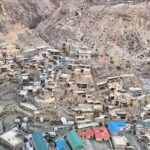
RP Adventures, a reputable and experienced company in organizing treks in Nepal, offers a meticulously planned itinerary for the Annapurna Three High Passes Trek. This trek is designed for the adventurous soul seeking to explore the beauty and challenges of the Himalayas. The journey typically spans over 25 to 29 days, depending on weather conditions and the pace of the trekking group with Camping and Tea House.
Starting from Kathmandu, the capital city of Nepal, trekkers are transported to the starting point of the trek, usually after a scenic drive or a short flight to Pokhara, followed by another drive to the actual trailhead. The trek begins in earnest from a lower elevation, gradually ascending through diverse terrains, including lush forests, terraced fields, and alpine meadows, before tackling the high passes.
The first major challenge is the Namun La pass (5,555 m), which serves as a stunning introduction to the high-altitude trekking experience. The views from the top are nothing short of spectacular, offering a panoramic vista of the Annapurna range. The trek continues towards the Kang La pass (5,350 m), which is known for its breathtaking landscapes and the unique opportunity to witness the traditional lifestyle of the local communities living in remote mountain villages.
The final high pass, Mesokanto La (5,250 m), is perhaps the most challenging but also the most rewarding. The pass offers unparalleled views of Tilicho Lake (4,900 m), one of the highest lakes in the world, and the surrounding snow-capped peaks. The descent from Mesokanto La marks the beginning of the journey back to civilization, but the memories of the majestic mountains linger long after.
One of the unique aspects of trekking with RP Adventures is their commitment to providing an authentic Nepalese experience. This includes opportunities to interact with the local people, taste traditional Nepalese food, and learn about the culture and traditions of the Himalayan region.
The Annapurna Three High Passes Trek with RP Adventures is not just a physical journey but a voyage of discovery. It challenges trekkers to push their limits while immersing them in the natural beauty and cultural richness of Nepal. It’s an adventure that leaves a lasting impression, inspiring a deep respect for the mountains and their inhabitants.
The difficulty of the Annapurna Three High Passes Trek is considered to be strenuous. It is designed for trekkers who have previous high-altitude trekking experience and a good level of physical fitness. Several factors contribute to its challenging nature, including:
Altitude: The trek crosses three mountain passes above 5,000 meters. The highest point is Namun La Pass (5,550 m), followed by Kang La Pass (5,340 m) and Mesokanto La Pass (approximately 5,330 m). The high altitude increases the risk of acute mountain sickness (AMS), which can be mitigated through proper acclimatization and hydration.
Terrain: The trail encompasses a variety of terrain, including steep ascents and descents, rocky paths, and potentially snow-covered trails, especially near the passes. The variability of the terrain requires good balance, agility, and endurance.
Weather Conditions: The weather in the Himalayas can be unpredictable, with sudden changes that can include heavy snowfall or rainfall, strong winds, and temperature drops, especially at high altitudes. Being prepared with the right gear and clothing is essential.
Remoteness: Much of the trek traverses through remote areas where facilities are basic and immediate medical help may not be readily available. Trekkers must be self-sufficient and prepared to deal with any emergencies with the resources at hand.
Duration and Daily Distance: The trek typically spans over 29 days, with daily walks of 6–8 hours. The long duration, combined with the physical demands of the trek, requires excellent stamina and mental fortitude.
Day 01: Arrival in Kathmandu airport and pickup to hotel – 1,300m
Day 02: Kathmandu sightseeing day – 1,300m
Day 03: Drive from Kathmandu to Pokhara or Drive to Pokhara 850m – 08 hrs
Day 04: Drive to Sikles Village 1,980 m- 03 hrs
Day 05: Trek to Forest camp 2,200m – 05 hrs
Day 06: Trek to Dharmasala 3,540m – 06 hrs
Day 07: Rest day in Dharmasala – 3,500m
Day 08: Trek to Boksi tal 3,860m- 06 hrs
Day 09: Trek to Trek to Numun la Base camp 4,800m – 06 hrs
Day 10: Trek to Numun la Phadi via Numun la Bhangjung 5,550m – 08 hrs
Day 11: Trek to Koto 2,500m – 05 hrs
Day 12: Trek to Meta 3,500m – 08 hrs
Day 13: Trek to Phu Gaun 4,050m – 08 hrs
Day 14: Rest day in Phu Gaun 4,050m hike to Hemlung base camp – 06 hrs
Day 15: Trek to Nar Phadi 3,500m – 07 hrs
Day 16: Trek to Nar Gaun 4,350m – 04 hrs
Day 17: Trek to Ngawal 3,750m vai Khang la pass 5,340m – 09 hrs
Day 18: Trek to Manang 3,550m – 03 hrs
Day 19: Rest day in Manang – 3,500m
Day 20: Trek to Shreekharka 4,000m – 06 hrs
Day 21: Trek to Tilicho Lake 4,950m – 05 hrs
Day 22: Trek to Chauri Kharka 4,000m – 08 hrs
Day 23: Trek to Jomsom 2,700m – 07 hrs
Day 24: Drive to Tatopani 1,400m – 04 hrs
Day 25: Drive to Pokhara 850m – 05 hrs
Day 26: Drive to Kathmandu 1,300m – 08 hrs
Day 27: Rest Day in Kathmandu – 1,300m
Day 28: Departure Kathmandu Airport – 1,300m
The Annapurna Three High Passes Trek is the ultimate challenge for thrill-seekers, combining breathtaking Himalayan scenery with remote trails and demanding ascents. If you’re drawn to high-altitude adventure but want something slightly different, here are some epic alternatives:
Upon arrival at Tribhuvan International Airport, our representative will welcome you and transfer you to your hotel in Kathmandu. After check-in, relax or explore the vibrant streets of Thamel. In the evening, attend a trek briefing and meet your guide for the upcoming adventure.
Spend the day exploring Kathmandu Valley's UNESCO World Heritage Sites, including Pashupatinath Temple, Boudhanath Stupa, Swayambhunath, and Kathmandu Durbar Square. Return to the hotel for final trek preparations and permit verification.
Drive through scenic river valleys, terraced farmland, and picturesque hills to Pokhara, Nepal's beautiful lakeside city. Enjoy magnificent views of the Himalayas and relax beside Phewa Lake upon arrival.
A scenic mountain drive leads to Sikles, one of Nepal's largest traditional Gurung villages, situated beneath the magnificent Annapurna II and Lamjung Himal. Along the way, pass beautiful terraced fields, waterfalls, and traditional settlements before arriving in the peaceful mountain village. Spend the afternoon exploring the local culture, interacting with villagers, and enjoying panoramic Himalayan views as you prepare to leave the established trekking routes behind.
Your first day of trekking follows quiet forest trails through dense rhododendron, oak, and pine forests rich with birds and wildlife. The peaceful route gradually ascends into the foothills of the Annapurna region while offering occasional glimpses of snow-covered peaks. As the trail becomes less traveled, you'll begin experiencing the remote wilderness that defines this expedition before reaching Forest Camp for the night.
Today's trail climbs steadily through alpine forests before entering rugged high-altitude terrain. As vegetation becomes sparse, spectacular mountain scenery unfolds with dramatic ridges and towering Himalayan peaks surrounding the campsite. Dharamsala serves as the final camp before entering the remote crossing of Namun La Pass, making it an ideal location to rest and prepare for the challenging days ahead.
An important acclimatization day helps your body adjust to the increasing altitude before ascending above 4,000 meters. Take a short hike to nearby ridges for spectacular panoramic views of Lamjung Himal, Annapurna II, and surrounding peaks before returning to camp. Proper hydration, rest, and gradual altitude gain significantly reduce the risk of altitude sickness during the upcoming high-pass crossing.
Leave the tree line behind as you enter remote alpine landscapes characterized by rocky ridges, glacial valleys, and wide-open mountain scenery. The trail gradually climbs toward the pristine alpine lake of Boksi Tal, surrounded by rugged cliffs and snow-covered peaks. The peaceful campsite provides incredible sunset and sunrise views in one of the least-visited parts of the Annapurna region.
Today's trek follows rocky moraine trails and alpine slopes while steadily gaining elevation toward Namun La Base Camp. As you approach the foot of Nepal's highest pass on this trek, breathtaking views of Annapurna II, Lamjung Himal, Himalchuli, and neighboring peaks dominate the horizon. After arriving at base camp, spend the afternoon resting and preparing for tomorrow's demanding pass crossing.
Begin before sunrise for the most demanding day of the expedition. Climb gradually to Namun La Pass (5,550 m), the highest point of the entire trek, where breathtaking panoramic views stretch across the Annapurna, Manaslu, Lamjung Himal, and Dhaulagiri ranges. After celebrating the successful crossing, descend carefully over rugged alpine terrain and glacial valleys before reaching Bhangjung (Namun La Phedi) for an overnight camping experience.
After breakfast, descend through rugged alpine terrain and gradually leave the remote Namun La region behind. The trail follows steep mountain slopes before entering dense pine and rhododendron forests as you approach Koto, the gateway to the Nar and Phu Valleys. Crossing several suspension bridges and streams, you eventually join the popular Annapurna Circuit route. Koto is a peaceful village surrounded by towering cliffs and forests, providing a comfortable overnight stop before entering one of Nepal's most isolated Himalayan valleys.
Today's adventure begins by entering the restricted Nar Phu Valley. The trail follows the Nar Khola through dramatic rock gorges, dense pine forests, cascading waterfalls, and narrow canyons carved into towering cliffs. Several suspension bridges and ancient stone pathways lead deeper into this hidden valley, where Tibetan influence becomes increasingly visible. After a steady climb, arrive at Meta, a small Tibetan-style settlement offering magnificent views of Annapurna II, Lamjung Himal, and Pisang Peak.
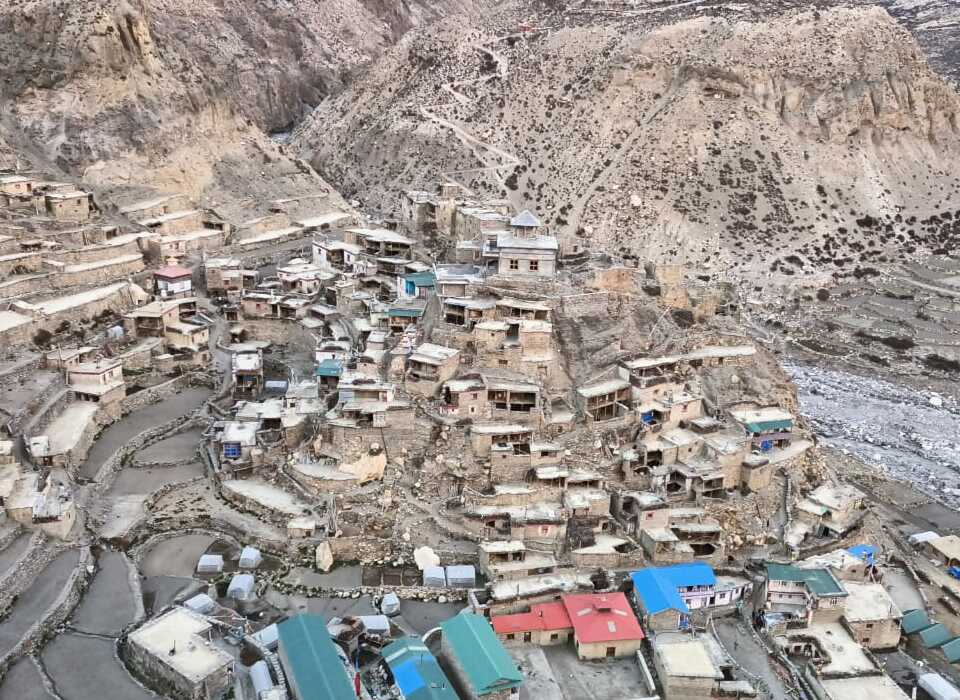
Leaving Meta, continue through one of Nepal's most untouched Himalayan landscapes. Pass ancient chortens, prayer walls, abandoned kharkas, and remote yak pastures while following the winding Phu Khola. The scenery becomes increasingly dramatic as colorful cliffs, deep canyons, and snow-covered mountains surround the trail. Arrive at the centuries-old village of Phu, where traditional Tibetan culture, stone houses, monasteries, and spectacular mountain scenery have remained largely unchanged for generations.
Today is reserved for proper acclimatization before crossing another high Himalayan pass. You may hike toward Himlung Base Camp or nearby ridges for stunning views of Himlung Himal, Kang Guru, and surrounding glaciers before returning to Phu Village. Explore the historic Tashi Lhakhang Monastery, interact with the local Tibetan community, and experience one of Nepal's most remote settlements while allowing your body to adapt to the increasing altitude.
Retrace part of the trail before taking the route toward Nar Phedi. Descend through narrow valleys, cross suspension bridges over the roaring Phu Khola, and pass spectacular cliffs decorated with colorful prayer flags. Arrive at Nar Phedi Monastery, a peaceful Buddhist monastery where trekkers often spend the night while experiencing the simple lifestyle of resident monks amidst beautiful Himalayan surroundings.
The trail climbs steadily through barren alpine landscapes and traditional stone pathways toward Nar Village. As you gain elevation, breathtaking views of Pisang Peak, Kang Guru, and surrounding Himalayan giants unfold. Nar is one of Nepal's most authentic Tibetan settlements, where centuries-old customs, traditional architecture, prayer wheels, and monasteries continue to preserve an ancient mountain culture rarely seen elsewhere in the Himalayas.
Begin early for another exciting day as you ascend to Kang La Pass (5,340 m), one of Nepal's finest high mountain crossings. The summit rewards you with spectacular panoramic views of Annapurna II, Annapurna III, Gangapurna, Tilicho Peak, Chulu Peaks, and the Marsyangdi Valley. After enjoying the incredible scenery, descend carefully over rocky trails to the beautiful village of Ngawal, where traditional Tibetan culture blends with the classic Annapurna Circuit.
Today's shorter trek follows the upper Annapurna Circuit with magnificent views of Annapurna III, Gangapurna, Tilicho Peak, and Chulu East. Pass traditional villages, ancient monasteries, and colorful prayer walls before reaching Manang, the largest settlement in the upper Annapurna region. Spend the afternoon exploring the village, bakeries, museums, and surrounding viewpoints while preparing for the final section of the expedition.
A second acclimatization day improves your body's adaptation before ascending toward Tilicho Lake and Mesokanto La Pass. Optional hikes to Gangapurna Lake, Gangapurna Glacier Viewpoint, or Ice Lake provide outstanding mountain scenery while helping your body adjust safely to higher elevations. Manang also offers opportunities to visit monasteries, local museums, and traditional Himalayan villages.
Leave the main Annapurna Circuit and head toward the remote Tilicho Lake trail. The route gradually climbs above the valley through alpine meadows, grazing areas, and rocky hillsides with magnificent views of Gangapurna, Annapurna III, and Tilicho Peak. Arrive at Shree Kharka, a peaceful high-altitude settlement where trekkers spend the night before continuing toward one of the world's highest lakes.
Follow one of the most spectacular trails in the Annapurna region as you traverse rocky cliffs and landslide-prone sections beneath towering mountain walls. Eventually reach the breathtaking turquoise waters of Tilicho Lake, one of the world's highest lakes, surrounded by snow-covered peaks and dramatic alpine landscapes. Spend time exploring this sacred Himalayan lake before settling into camp for an unforgettable night at high altitude.
Today's demanding adventure crosses the remote Mesokanto La Pass (approximately 5,330 m), the third and final high pass of the expedition. Climb across rocky moraines, glaciers, and snowfields before reaching the summit, where spectacular views stretch across Tilicho Peak, Nilgiri, Dhaulagiri, and the Mustang region. Descend carefully through rugged alpine terrain to Chauri Kharka, completing one of Nepal's most challenging high-pass traverses.
A long descent leads through barren Mustang landscapes, glacial valleys, and dry riverbeds before entering the famous Kali Gandaki Valley. As the altitude decreases, enjoy magnificent views of Dhaulagiri, Nilgiri, and Tukuche Peak before arriving in the bustling mountain town of Jomsom. Celebrate the successful completion of all three high passes while enjoying the comforts of a teahouse.
Follow the dramatic Kali Gandaki Gorge by jeep, passing traditional Thakali villages, apple orchards, waterfalls, and deep river valleys. Upon reaching Tatopani, relax in the village's famous natural hot springs, where the warm mineral-rich water provides a perfect opportunity to soothe tired muscles after weeks of trekking through the high Himalayas.
Continue driving through picturesque villages, terraced hillsides, and river valleys toward Pokhara. As the mountains gradually fade into lush green landscapes, enjoy a relaxing journey back to civilization. Upon arrival, check into your hotel and spend the evening exploring the lakeside, enjoying cafés, restaurants, or a peaceful walk along Phewa Lake.
After breakfast, drive back to Kathmandu along the scenic Prithvi Highway, following the Trishuli River through picturesque countryside and charming villages. Upon arrival, check into your hotel and enjoy free time for shopping, visiting local markets, or simply relaxing after completing one of Nepal's most demanding trekking expeditions.
Enjoy a well-deserved free day in Kathmandu. You may explore cultural sites, shop for souvenirs, visit local cafés, or simply relax at your hotel. In the evening, join a farewell dinner hosted by RP Adventures to celebrate the successful completion of the Annapurna Three High Passes Trek and share memories with your guide and fellow trekkers.
Depending on your flight schedule, our representative will transfer you to Tribhuvan International Airport for your onward journey. Depart Nepal with unforgettable memories of crossing Namun La Pass (5,550 m), Kang La Pass (5,340 m), and Mesokanto La Pass (5,330 m) while exploring the remote Nar Phu Valley, Tilicho Lake, and the magnificent Annapurna Himalaya.
The Annapurna Region is one of the most popular trekking destinations in Nepal, attracting thousands of trekkers every year. It is renowned for its stunning landscapes, diverse culture, and breathtaking views of the Annapurna mountain range, including Annapurna I, the 10th highest peak in the world.
Trekking in the Annapurna Region offers a variety of routes catering to different preferences and fitness levels. Some of the popular trekking routes in the Annapurna Region include: Annapurna Circuit Trek, Annapurna Base Camp (ABC) Trek, Ghorepani Poon Hill Trek, and Mardi Himal Trek.
To ensure a safe and comfortable trek in the Himalayan region, it is highly recommended to bring the appropriate equipment and gear to cope with the cold temperatures. The following is a list of essential equipment and gear for Annapurna Three High Passes Trek, which can be purchased either in the Thamel market or brought from your home country:
The following basic checklist for trekking and hiking equipment should assist you in packing for our trips. Keep in mind the importance of minimizing the weight of your clothing and gear. Your packed trek bag should weigh less than 15 kilograms. Remember, this is merely a guideline and not everything listed is essential to bring.
Additional Equipment Checklist
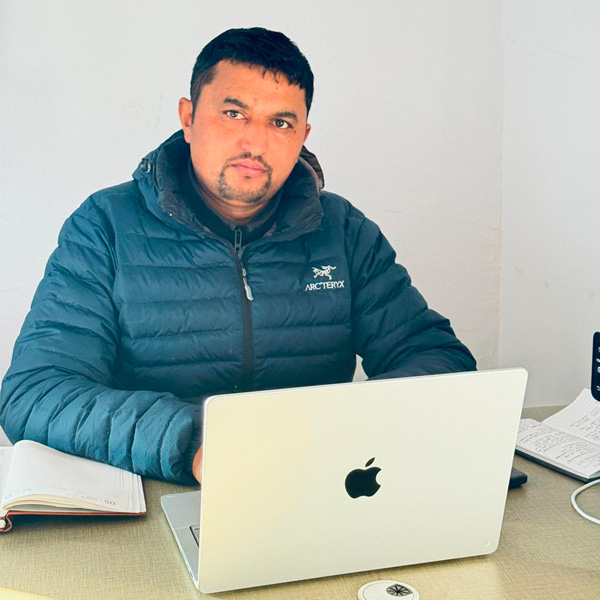
My journey in tourism began in 2008 as a porter. Step by step, I grew into roles as an assistant guide and tour leader. Over the years, I have worked across cultural tours, trekking, mountaineering, hotel operations, and spiritual journeys. For more than five years now, I have been running my own tourism and spiritual travel business, turning experience into meaningful travel experiences for guests.