Kailash Mansarovar Yatra via Lhasa Fly In and Out

Trip Facts

  • Destination Tibet
  • Activity Tours
  • Duration 15 Days
  • Trip Difficulty moderate
  • Max. Altitude 5630m
  • Best Time May- September
  • Start and End Kathmandu - Kathmandu
  • Meals Breakfast / Lunch / Dinner
  • Accommodation 5-star hotel in Kathmandu & 3-star hotel in Tibet side
  • Group Size 05 - 60

Trip Highlights

  • Holy dip and meditation at Lake Manasarovar
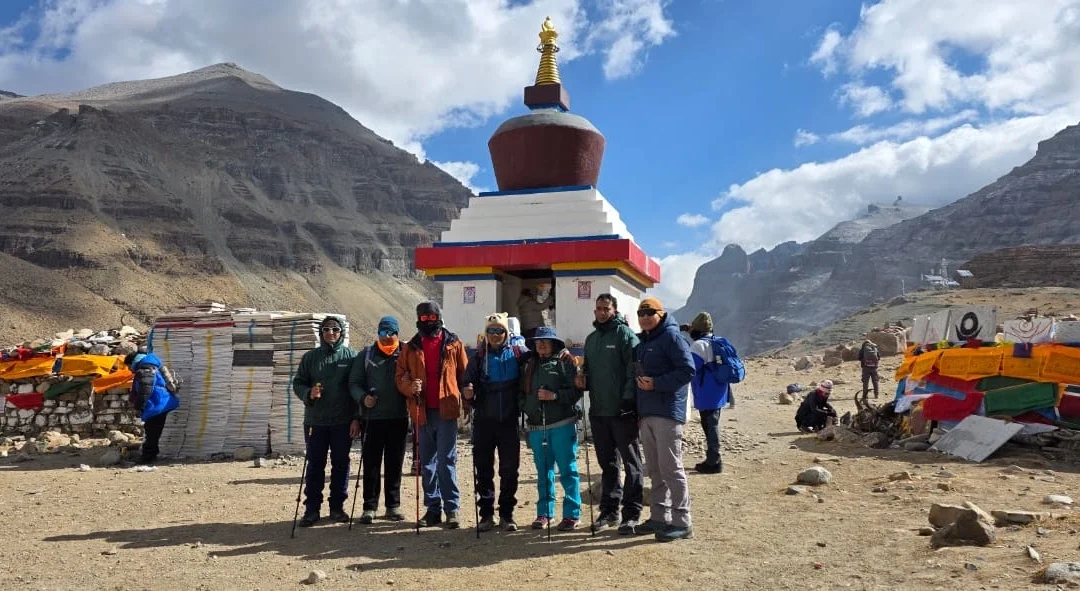
  • Complete Mount Kailash Parikrama (52 km)
  • Crossing the sacred Dolma La Pass (5,630 m)
  • Visit to Pashupatinath Temple in Kathmandu
  • Tirthapuri hot springs and sacred caves
  • Yam Dwar, the spiritual gateway of Kailash
  • Derapukha and Zutulphuk monasteries
  • Potala Palace and Jokhang Temple in Lhasa
  • Vast Tibetan landscapes and deep silence
  • Strong sense of inner cleansing and rebirth

Introduction

Kailash Manasarovar Yatra is one of the most sacred pilgrimages on Earth. For centuries, seekers, saints, and devotees have walked this ancient path in search of purification, truth, and inner peace. Mount Kailash is believed to be the eternal abode of Lord Shiva, while Lake Manasarovar represents purity, creation, and divine energy. This journey is not only about reaching a holy place, but about letting go of ego, fear, and attachment.

The Kailash Mansarovar yatra via Lhasa moves slowly through high Himalayan landscapes and the vast Tibetan plateau. Silence, prayer, and simplicity become part of daily life. The body is tested, but the heart opens. Many pilgrims say that Kailash does not allow anyone to come without a calling. Once you complete the journey, something inside you quietly changes forever.

Major Attractions

The major attractions are as follows:

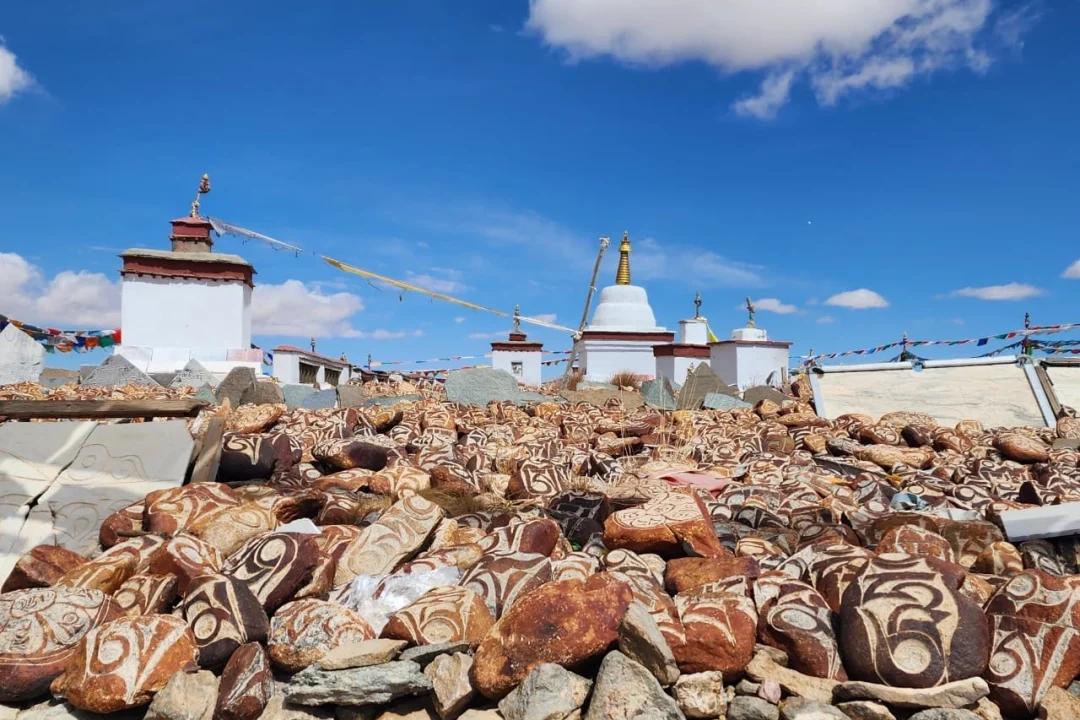
  1. Mount Kailash – The revered peak, sanctuary of Lord Shiva, and the main to all four religions that are Hinduism, Buddhism, Jainism, and Bon.
  2. Lake Manasarovar – A sacred freshwater lake that is thought to wash away sins and cause the soul to be cleansed.
  3. Dolma La Pass (5,630 m) – The parikrama’s highest point, representing death and rebirth.
  4. Gauri Kund – A holy place linked to Goddess Parvati, situated close to Dolma La Pass.
  5. Yam Dwar – The mystical door to the Kailash Parikrama.
  6. Tirthapuri Hot Springs – Divine geothermal springs that are associated with Guru Rinpoche (Padmasambhava).
  7. Derapukha Monastery – A monastery located on the northern slope of Mount Kailash.
  8. Zutulphuk Monastery – Closely related to Milarepa’s cave of meditation, a religious stop during the parikrama.
  9. Pashupatinath Temple – The second most holy Shiva temple, in Kathmandu.
  10. Swayambhunath Stupa (Monkey Temple) – A famous Buddhist stupa in Kathmandu
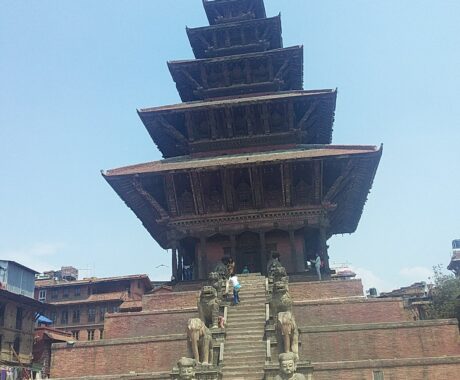
  11. Bhaktapur Durbar Square – The Newari city of the past with temples, palaces, and cultural legacy.
  12. Potala Palace – The former residence of the Dalai Lamas, in Lhasa. 13. Jokhang Temple – Tibet’s most venerated Buddhist temple, found in Lhasa.

Best Season for Kailash Mansarovar Yatra via Lhasa

The best time to undertake Kailash Manasarovar Yatra is from May to September. During this period, the weather is relatively stable, skies are clearer, and access routes are open. May and June offer fresh landscapes and cooler temperatures. July and August may have occasional rain but are still suitable, especially for spiritual travelers who value energy over comfort. September is calm, with clear views and fewer crowds.

Outside this months, the weather is extreme cold, snow, and strong winds make the journey unsafe.

Food

Food during the yatra is simple, vegetarian, and sattvic. The purpose of the meals is nourishment, not indulgence.

Common meals include:

  • Rice, lentils, vegetables,
  • Soup,
  • Chapati,
  • Noodles,
  • Porridge,
  • Boiled potatoes, and
  • Tibetan bread.

Tea and warm water are always available.

During high-altitude days, food is light to support digestion and breathing. Non-vegetarian food and alcohol are strictly avoided, as they disturb the body and mind. Many pilgrims naturally eat less and feel lighter as the journey progresses.

Accommodation

Accommodation throughout the yatra is clean, basic, and practical.
In Kathmandu and Lhasa, comfortable hotels with proper facilities are provided.
In remote Tibetan areas like Manasarovar, Darchen, Derapukha, and Zutulphuk, accommodation is in guesthouses or simple lodges.

Rooms are shared in many places. Facilities may include common toilets and limited water. Electricity and heating may not always be available. The simplicity of living helps pilgrims detach from comfort and connect inward.

Altitude Sickness & Prevention

Altitude sickness is a natural challenge in Kailash Manasarovar Yatra due to extreme heights. The highest point, Dolma La Pass, reaches 5,630 meters. Some pilgrims may experience headache, nausea, fatigue, dizziness, or shortness of breath.

Prevention and care include:

  • Walking slowly and resting often
  • Drinking plenty of warm water
  • Avoiding alcohol, smoking, and heavy food
  • Proper acclimatization in Lhasa
  • Taking prescribed altitude medicine if needed
  • Listening to guides and not overexerting

Mental calmness plays a big role. Fear increases discomfort, while acceptance makes the body adjust better.

Permits Required

Several permits are required to enter Tibet and complete the yatra. These include:

  • Chinese Group Visa
  • Tibet Travel Permit
  • Alien Travel Permit
  • Military Permit
  • Kailash Parikrama Permit

All permits will be arranged by the company, as independent travel is not allowed in this region.

A Typical Day in the Yatra

Before dawn, I am up with the mountains and the deliciousness of the spectacular Himalayan air. Our breakfast consists of porridge, tea, and bread, and then we start our walk. Each step is as if time has stopped and we are part of a big ritual; silence, chanting, and breathing in the beautiful mountains around us are some of the ways we express it.

Noon approaches, and we get to Lake Manasarovar. I sense that something within me is changing as I wash my hands and body and then dip into the lake’s cold and pure water. A feeling of warmth comes to me, and an indescribable force seems to rise in me. My thoughts disappear, the feeling in my heart is of a feather, and for a second, the whole place is enchanted, as if the lake is giving me its grace.

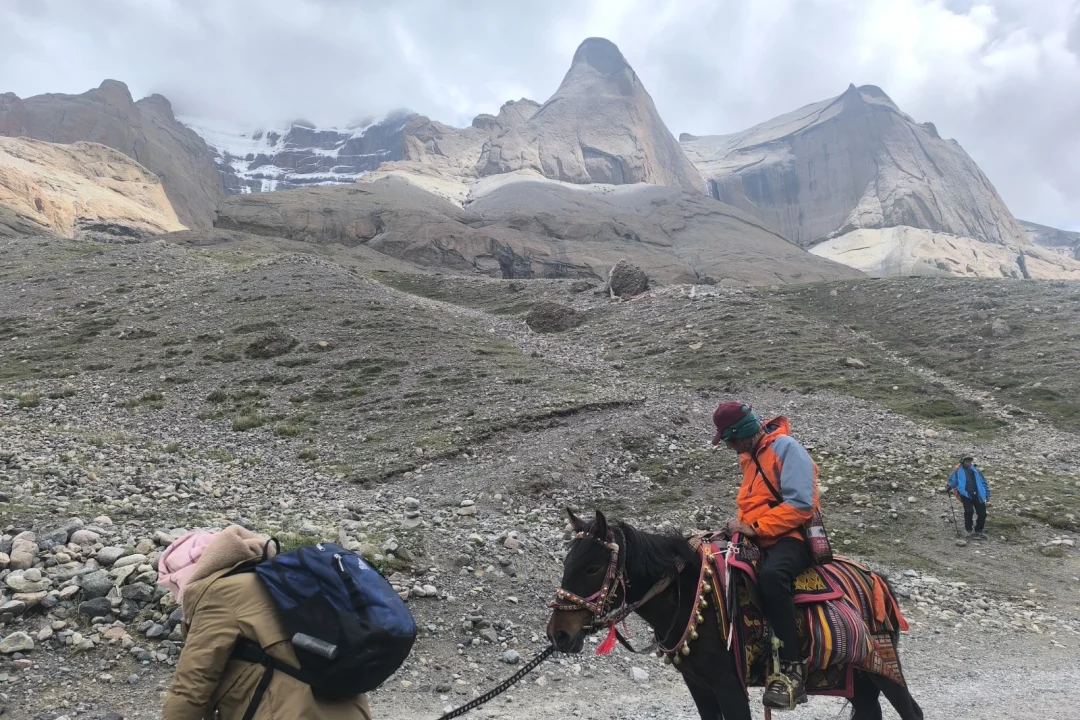
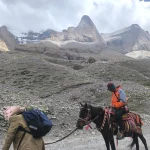
When we reach the lake, we can either continue walking or ride on horses. The mounts and the riders have to cross streams and go over small hills. All the places in the area are holy, and I feel I am purified with each new step that I take.

When night falls, we arrive at the place where we will stay for the night, and after having a light meal, we meditate quietly. The stars shine down on me as I lie there, and I feel the tranquillity and vitality of Kailash and Manasarovar coming into me. Every day is full of hardships, silence, and a deep sense of amazement.

Outline Itinerary

Day 01: Arrival in Kathmandu
Day 02: Yatra briefing & Pashupatinath VIP darshan
Day 03: Swayambhunath & Bhaktapur sightseeing
Day 04: Leisure / preparation in Kathmandu
Day 05: Final preparation in Kathmandu
Day 06: Flight from Kathmandu/Pokhara to Lhasa
Day 07: Lhasa city sightseeing & rest
Day 08: Flight from Lhasa to Purang (Ali) & drive to Lake Manasarovar
Day 09: Manasarovar rituals & drive to Darchen via Tirthapuri
Day 10: Drive to Yam Dwar & trek/horse ride to Derapukha
Day 11: Cross Dolma La Pass & trek/horse ride to Zutulphuk
Day 12: Trek back to Darchen & drive to Purang (Ali)
Day 13: Flight from Purang (Ali) to Lhasa
Day 14: Flight from Lhasa to Kathmandu
Day 15: Departure from Kathmandu

Detailed Itinerary

  • Day 01: Arrival in Kathmandu

    On your arrival at Tribhuvan International Airport, you will be warmly welcomed by our team, assisted with a comfortable transfer to your hotel, and briefed with all the necessary instructions to help you prepare for the journey ahead.

    Altitude: 1300m
    Meals: Breakfast, Lunch, Dinner
    Accommodation: Hotel Yak and Yeti/ Soaltee or Similar
  • Day 02: Yatra briefing & Pashupatinath VIP darshan

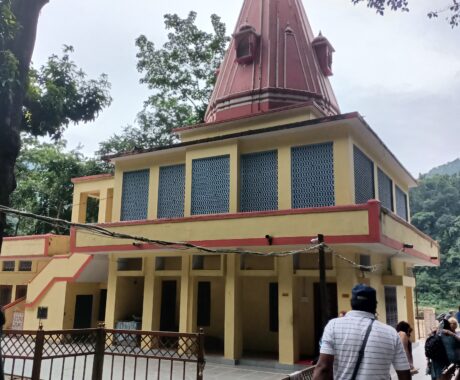
    Begin your day with a VIP Darshan at the sacred Pashupatinath Temple, participating in the traditional Panchamrit Puja. Afterward, visit the revered Guhyeshwari Shakti Peeth, an important spiritual site nearby, and immerse yourself in its serene and sacred atmosphere.

    Altitude: 1300m
    Meals: Breakfast, Lunch, Dinner
    Accommodation: Hotel Yak and Yeti/ Soaltee or Similar
  • Day 03: Swayambhunath & Bhaktapur sightseeing

    Spend the day exploring the iconic Swayambhunath Stupa, also known as the Monkey Temple, and then continue to Bhaktapur for a sightseeing tour of its ancient temples, courtyards, and cultural landmarks. Return to Kathmandu in the evening.

    Altitude: 1300m
    Meals: Breakfast, Lunch, Dinner
    Accommodation: Hotel Yak and Yeti/ Soaltee or Similar
  • Day 04: Leisure / preparation in Kathmandu

    Leisure day for preparations, health check, and document verification (if required).

    Altitude: 1300m
    Meals: Breakfast, Lunch, Dinner
    Accommodation: Hotel Yak and Yeti/ Soaltee or Similar
  • Day 05: Final preparation in Kathmandu

    Use this day for final preparations before the Yatra, including checking your personal gear, equipment, and essentials to ensure everything is ready for the journey ahead.

    Altitude: 1300m
    Meals: Breakfast, Lunch, Dinner
    Accommodation: Hotel Yak and Yeti/ Soaltee or Similar
  • Day 06: Flight from Kathmandu/Pokhara to Lhasa

    Early in the morning, enjoy a comfortable airport transfer for your flight to Lhasa. Upon arrival, you will be transferred to your hotel, where you can rest and acclimatize to the high altitude, preparing your body for the days ahead.

    Altitude: 3656m
    Meals: Breakfast, Lunch, Dinner
    Accommodation: Hotel Yak or Similar
  • Day 07: Lhasa city sightseeing & rest

    Spend the day on light sightseeing in Lhasa, starting with a visit to the iconic Potala Palace. Continue to the sacred Jokhang Temple and stroll through the vibrant Barkhor Market. The rest of the day is reserved for acclimatization to help your body adjust to the high altitude.

    Altitude: 3656m
    Meals: Breakfast, Lunch, Dinner
    Accommodation: Hotel Yak or Similar
  • Day 08: Flight from Lhasa to Purang (Ali) & drive to Lake Manasarovar

    Take a morning flight to Purang (Ali) and then enjoy a scenic drive to the sacred Mansarovar Lake. Upon arrival, participate in the first darshan and perform the parikrama (circumambulation) of this holy lake, immersing yourself in its spiritual significance and serene surroundings.

    Altitude: 4590m
    Meals: Breakfast, Lunch, Dinner
    Accommodation: Best Available Guesthouse/Lodge
  • Day 09: Manasarovar rituals & drive to Darchen via Tirthapuri

    Start the morning with a holy bath in Mansarovar Lake (weather permitting), followed by a visit to the sacred Tirthapuri hot springs. Afterward, continue your journey to Darchen, the base of the Kailash Parikrama, where you will rest and prepare for the trek ahead.

    Altitude: 4575m
    Meals: Breakfast, Lunch, Dinner
    Accommodation: Castle Hotel or Simillar
  • Day 10: Drive to Yam Dwar & trek/horse ride to Derapukha

    Drive to Yam Dwar, the starting point of the sacred Kailash Parikrama. Begin your trek or horse ride to Derapukha, covering approximately 12 km, while taking in the breathtaking landscapes and spiritually significant sites along the way.

    Altitude: 5210m
    Meals: Breakfast, Lunch, Dinner
    Accommodation: Best Available Guesthouse
  • Day 11: Cross Dolma La Pass & trek/horse ride to Zutulphuk

    Today is the most challenging day of the Yatra. Cross the formidable Dolma La Pass at 5,630 meters, taking in the stunning panoramic views, before continuing your trek or horse ride to Zutulphuk. Ensure you pace yourself and stay hydrated while experiencing this awe-inspiring part of the journey.

    Altitude: 5630m
    Meals: Breakfast, Lunch, Dinner
    Accommodation: Best Available Guesthouse
  • Day 12: Trek back to Darchen & drive to Purang (Ali)

    Complete the final section of the Kailash Parikrama as you trek back to Darchen. After reaching Darchen, drive to the Purang (Ali) Airport area in preparation for your onward journey, reflecting on the spiritual experiences of the past days.

    Altitude: 4274 m
    Meals: Breakfast, Lunch, Dinner
    Accommodation: Best Available Guesthouse/Hotel
  • Day 13: Flight from Purang (Ali) to Lhasa

    Take a flight back to Lhasa and transfer to your hotel. Spend the rest of the day at leisure, resting and enjoying the surroundings as you reflect on your journey so far.

    Altitude: 3656m
    Meals: Breakfast, Lunch, Dinner
    Accommodation: Hotel Yak or Similar
  • Day 14: Flight from Lhasa to Kathmandu

    Fly back to Kathmandu and enjoy a hotel transfer upon arrival. Spend the evening at your leisure, either relaxing after your journey or exploring the local markets for shopping and souvenirs.

    Altitude: 1300m
    Meals: Breakfast, Lunch, Dinner
    Accommodation: Hotel Yak and Yeti/ Soaltee or Similar
  • Day 15: Departure from Kathmandu

    Transfer to Kathmandu International Airport.

    Farewell blessings and departure.
    Altitude: 1300m
    Meals: Breakfast
    Accommodation: Hotel Yak and Yeti/ Soaltee or Similar

What's included

  • Airport Transfers: International and Domestics Airport pick up and drop off
  • Hotel in Kathmandu: 5 Star Hotel accommodation (Hotel Yak and yeti/ Soaltee or Similar Category Hotel) in Kathmandu (AP plan – Breakfast, Lunch and Dinner)
  • Hotel accommodation in Tibet: Hotel Yak or similar in Lhasa; Castle Hotel or similar in Darchen; Guesthouses or lodges near Mansarovar, Derapukha, and Zutulphuk as per the itinerary.
  • Tibet Visa: Tibet Visa fee and paperwork and Chinese Liaison Officer
  • Flight/ Helicopter Service: Round-trip Kathmandu–Lhasa–Kathmandu and Lhasa–Purang (Ali)–Lhasa as per the itinerary
  • Transportation in Tibet: Private transportation during the Tibet tour
  • Guide: Experience English speaking guides (Chinese and Nepalese guide)
  • Meals: All Meals (Breakfast, Lunch, and Dinner - vegetarian meals) during the tour by our Kitchen Crew Members
  • Pashupatinath Temple Visit: Pashupatinath and Guheshwari VIP Darshan with Panchamrit Puja and Rudravishyak and Havan Arrangements
  • Kathmandu Heritage and Cultural Sightseeing – Boudhnath Stupa, Swayambhunath Temple, Kathmandu Durbar Square, Patan Durbar Square, Bhaktapur Durbar Square, Doleshwar and Budhanilkantha Temple
  • Guide and Helping staff insurance with food and accommodation
  • Basic Medical kits
  • Sleeping and duffle bag, down jacket, trekking poles (should be returned after the trek) Mansarovar Puja and Havan Arrangement
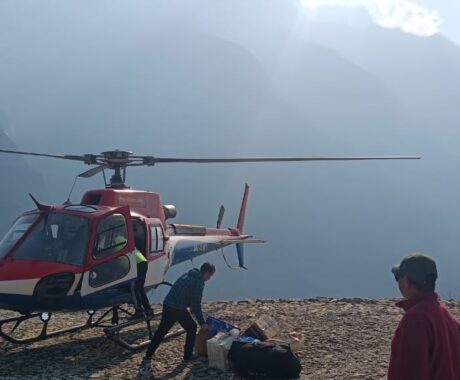
  • Emergency Helicopter Evacuation Service Arrangement Only (should cover by your travel insurance)
  • All required paper works and government taxes

What's not included

  • Any personal expenses such as insurance, emergency evacuation charges, and personal medical expenses
  • Any items not mentioned under inclusions
  • Tips, laundry, telephone calls, etc.
  • Side trips other than those mentioned in the itinerary
  • Any meals not specified as included
  • Travel Insurance
  • Additional cost of upgrading the accommodation
  • Visa or permit fee due to the immediate rule modification from the Tibet part
  • Emergency Evacuation

FAQs of Kailash Mansarovar Yatra via Lhasa Fly In and Out

  • Why do people feel so strongly called to Kailash Manasarovar?

    Many people say the call comes quietly. It may start as curiosity, faith, or a personal phase in life. Over time, the feeling becomes stronger. Those who go often feel the journey happens when the time is right, not when we plan it.
  • Is this journey only for religious people?

    No. While it is deeply spiritual, many people come for healing, clarity, or inner peace. You do not need to follow a specific religion, it’s for everyone.
  • How physically difficult is the yatra?

    It is challenging, but not impossible. The high altitude and long walking days test your body. However, with slow pace it can be completed, also support is always available. Many ordinary people complete the yatra with patience and mental strength.
  • What happens if I cannot complete the Kailash Parikrama?

    Nothing negative will happen if you can’t complete it. In spiritual belief, even reaching Kailash is a blessing. Many people stop due to health or altitude, and that is fully respected. Kailash accepts effort, not force.
  • Do I need prior trekking experience?

    No. You do not need to be a trekker. Walking regularly before the journey helps, but more important is listening to your body and not rushing. But if you have trek experience than that will be easier for your body.
  • Is altitude sickness very common?

    Some discomfort is normal at high altitude. Headaches, tiredness, or shortness of breath are the major symptoms that can be seen. With proper rest, slow movement, warm food, and guidance, the alititude sickness can be prevented.
  • Are medical facilities available?

    Medical help is very limited in remote areas. Basic first aid and oxygen are available, but this is not a luxury journey. Anyone with serious medical conditions should consult a doctor before coming.
  • Can women and elderly people do this yatra?

    Yes. Many women and senior pilgrims complete the yatra every year. Fitness, mental readiness, and medical clearance are important, not age and gender.
  • What kind of accommodation should I expect?

    Accommodation is basic and simple. Some places have shared rooms and basic toilets. Warm clothing matters more than comfort. Simplicity becomes part of the spiritual experience.
  • What is the food like during the yatra?

    Food is vegetarian, warm, and simple. It is meant to support your body, not satisfy cravings. Many people notice they naturally eat less and feel lighter.
  • Can I take a horse during the parikrama?

    Yes. Horses and helpers are available for those who need assistance. Choosing a horse is not a weakness. The journey is about intention, not physical strength.
  • Is photography allowed everywhere?

    Photography is allowed in most outdoor areas but restricted in some monasteries and inside temples. Make sure to respect local rules and the sacred nature of the place.
  • What should I pack for the journey?

    Packing is essential for the journey. Don’t forget to add warm layers, good walking shoes, gloves, a windproof jacket, personal medicines, and toileteries. Packing light helps both the body and the mind.
  • Will I feel different after returning from Kailash?

    Many people say yes. Some feel peaceful, some emotional, some deeply changed in ways they cannot explain. You feel different as you feel the divine energy of the place which changes you from inside.
  • Is the yatra worth all the hardship?

    Most pilgrims say the hardship becomes insignificant once they experience the silence, energy, and depth of Kailash and Manasarovar. It is not an easy journey, but it is a meaningful one.

Trip You May Like

You can explore the related trips and choose one among them. :)
Nepal Cultural Historical & Scenic Tour

Nepal Cultural Historical & Scenic Tour

11 Days Trip easy
Namche heli pad

Everest Base Camp Helicopter Tour – 1 Day

1 Days Trip easy
Buddhist Pilgrimage Tour in Nepal - Lumbini

Buddhist Pilgrimage Tour in Nepal – 8 Days

8 Days Trip easy
Char Dham Holy Tour

Char Dham Holy Tour

14 Days Trip moderate
Call us (whatsapp/viber) +977 9849988926, 9818008417

Planning a Trip?

Our travel experts who are working in this industry for more than a decade will help you. Consult to get started.
Rajan Neupane

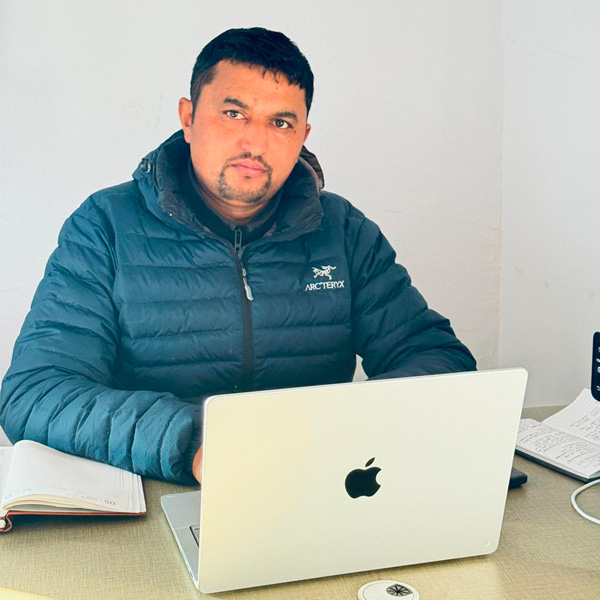
My journey in tourism began in 2008 as a porter. Step by step, I grew into roles as an assistant guide and tour leader. Over the years, I have worked across cultural tours, trekking, mountaineering, hotel operations, and spiritual journeys. For more than five years now, I have been running my own tourism and spiritual travel business, turning experience into meaningful travel experiences for guests.


Our Affiliations

Sister Company