Nepal welcomes families from around the world, and for good reason. Beyond the famous mountains, you’ll find a country that’s surprisingly accessible, genuinely warm, and filled with experiences that work for different ages and energy levels.
Over the years, we’ve helped hundreds of families explore Nepal, from grandparents traveling with grandchildren to parents with toddlers in tow. We’ve learned what works, what doesn’t, and how to make your family holiday in Nepal both memorable and manageable.
The key is choosing activities that match your family’s pace and interests. Some families want gentle cultural experiences, others seek adventure, and many want a bit of both. Here are 10 ideas that have worked well for the families we’ve guided, with honest advice about what to expect from each.
Explore Kathmandu Valley’s UNESCO World Heritage Sites
Kathmandu Valley is home to seven UNESCO World Heritage Sites, each telling a different story of Nepal’s history. Your guided tour can include ancient royal squares like Bhaktapur Durbar Square, Patan Durbar Square, and Kathmandu Durbar Square, along with sacred sites like Pashupatinath Temple, Boudhanath Stupa, Swayambhunath (the Monkey Temple), and Changunarayan Temple.

What makes it family-friendly:
- Short walking distances between main attractions
- Plenty of spots to rest and enjoy local snacks
- Kids often love the monkeys at Swayambhunath
- Flexible timing so you can adjust based on energy levels
The cities of Patan and Bhaktapur are especially enjoyable for families. Patan showcases fine metalwork and traditional arts, while Bhaktapur feels like stepping back in time, with its ancient squares and traditional pottery workshops where children can watch artisans at work.
Take an Everest Mountain Flight
Not everyone can trek to Everest Base Camp, and that’s perfectly fine. An early morning mountain flight from Kathmandu offers something special: a close-up view of the world’s highest peaks from the comfort of your seat.
During the flight, you’ll see Mount Everest (8,848m), along with other giants like Lhotse, Cho Oyu, Ama Dablam, and Langtang Lirung. Each passenger gets a window seat, and you’re welcome to move to the cockpit for photos.
Why families love it:
- No physical fitness required
- No altitude sickness concerns
- Takes just one morning
- Every seat has a mountain view
- Perfect for elderly family members or young children
The flight usually departs around 6:30 AM, so you’ll need an early start, but the sunrise over the Himalayas is worth it.
Try Family-Friendly Trekking (5-7 Days)
Yes, Nepal is famous for trekking, but you don’t need to be an experienced mountaineer to enjoy it. Several shorter treks are well-suited for families, with comfortable teahouses, manageable daily distances, and stunning mountain views.
Popular family treks we recommend:
- Ghorepani Poon Hill Trek is known for sunrise views and rhododendron forests
- Everest Panorama Trek offers a short helicopter return option
- Langtang Valley Trek stays closer to Kathmandu with rich Tamang culture
- Ghandruk Loop Trek follows an easy circular route in Annapurna region
- Dhampus-Australian Camp Trek crosses gentle hills with mountain views
- Helambu Circuit provides less crowded trails rich in Sherpa culture
These treks typically involve 4-6 hours of walking per day on established trails. Teahouses provide simple but comfortable lodging and meals. We can arrange porters to carry heavy bags, so you only need to carry a light daypack.
Honest advice: Make sure your children are comfortable walking for several hours. The trails aren’t technical, but they do go uphill and downhill. Most families with children over 8 find these very manageable.
Discover Off-the-Beaten-Path Trails (7-12 Days)
If your family enjoys hiking and you want to experience Nepal beyond the main tourist routes, off-the-beaten-path treks offer something special. These trails see fewer trekkers, which means more authentic interactions with local communities and a stronger sense of discovery.
Options worth considering:
- Mardi Himal Trek is a relatively new trail with close-up mountain views
- Khopra Danda Trek features community-run lodges and quieter trails
- Gosaikunda Lake Trek combines sacred lakes and mountain scenery
- Everest View Trek stays less crowded than the standard Everest route
These treks require more preparation and fitness than the shorter options, but they reward you with pristine landscapes and genuine cultural exchanges. The teahouses are simpler, and you’ll often be the only family staying there.
Walk Cultural and Heritage Trails
Nepal is incredibly diverse, with over 120 ethnic groups, each with their own traditions, languages, and ways of life. Cultural heritage trails let you walk through villages, stay with local families, and experience this diversity firsthand.
Recommended cultural treks:
- Tamang Heritage Trail teaches you about Tamang culture near Langtang
- Gurung Heritage Trail explores Gurung villages in the Annapurna foothills
- Helambu Valley Cultural Trek visits Sherpa and Tamang communities
- Mohare Danda Community Eco Trail supports local villages directly
What sets these apart is the emphasis on interaction. You’ll share meals with families, watch traditional dances, visit local schools, and learn about daily life in the mountains. It’s trekking with a purpose beyond just reaching viewpoints.
Children often love these experiences because they’re not just walking. They’re connecting with other kids and families in completely different settings.
Go White Water Rafting
Nepal’s rivers flow fast from the Himalayas, creating excellent rafting opportunities. The good news is that you can choose your adventure level based on your family’s comfort with water and excitement.
River options:
- Trishuli River is most popular for families, with Grade 2-3 rapids, 2-3 hours from Kathmandu
- Seti River offers a gentler option with Grade 2-3 rapids and beautiful scenery
- Marshyangdi River provides more challenge with Grade 4 rapids for adventurous families with older children
- Kali Gandaki River allows multi-day options combining rafting and camping
Safety is our priority. All trips include life jackets, helmets, experienced river guides, and safety kayakers. Most families start with a day trip on the Trishuli or Seti rivers. The rafting itself is exciting but manageable, with calmer sections between rapids where you can enjoy the scenery.
Note: Children should be comfortable swimmers and old enough to follow safety instructions carefully.
Experience a Wildlife Safari
Nepal isn’t just mountains. The southern Terai region is flat, subtropical, and home to some of Asia’s most impressive wildlife. Two national parks stand out for family visits:
Chitwan National Park:
- Easier to reach (20-minute flight or 5-hour drive from Kathmandu)
- More developed infrastructure
- Regular sightings of one-horned rhinoceros and many bird species
- Chance to see Royal Bengal tigers (though they’re elusive)
Bardia National Park:
- More remote and wild feeling
- Better tiger sighting odds
- Fewer tourists
- Requires a longer journey
Safari activities typically include jeep drives, canoe trips along the Rapti River, nature walks, and visits to elephant breeding centers. Most families stay 2-3 nights, which gives you enough time for several safari activities without rushing.
The weather is hot in the Terai, especially March-May, so plan accordingly. The best wildlife viewing is from October to March.
Take Day Trips from Kathmandu and Pokhara
Not everyone wants to trek or spend multiple days away from comfortable hotels. Both Kathmandu and Pokhara offer excellent day trip options.
From Kathmandu:
- Nagarkot provides sunrise views over the Himalayas (32 km away)
- Shivapuri National Park has easy forest hikes
- Bhaktapur is an ancient city with pottery squares
- Kakani offers a peaceful hill station with mountain views
- Nagarjun Forest Reserve features a short hike to a hilltop Buddhist stupa
From Pokhara:
- Sarangkot is famous for sunrise viewpoints
- Peace Stupa requires an easy hike with lake and mountain views
- Begnas Lake provides a quieter alternative to Phewa Lake
- Devi’s Fall and Gupteshwor Cave are quick natural attractions
Pokhara itself offers plenty for families: boating on Phewa Lake, visiting the International Mountain Museum, trying paragliding (age and weight restrictions apply), and simply enjoying lakeside cafes with the Annapurnas as backdrop.
These day trips work well if you have young children, limited time, or simply prefer sleeping in the same hotel each night.
Try Horseback Riding and Trekking
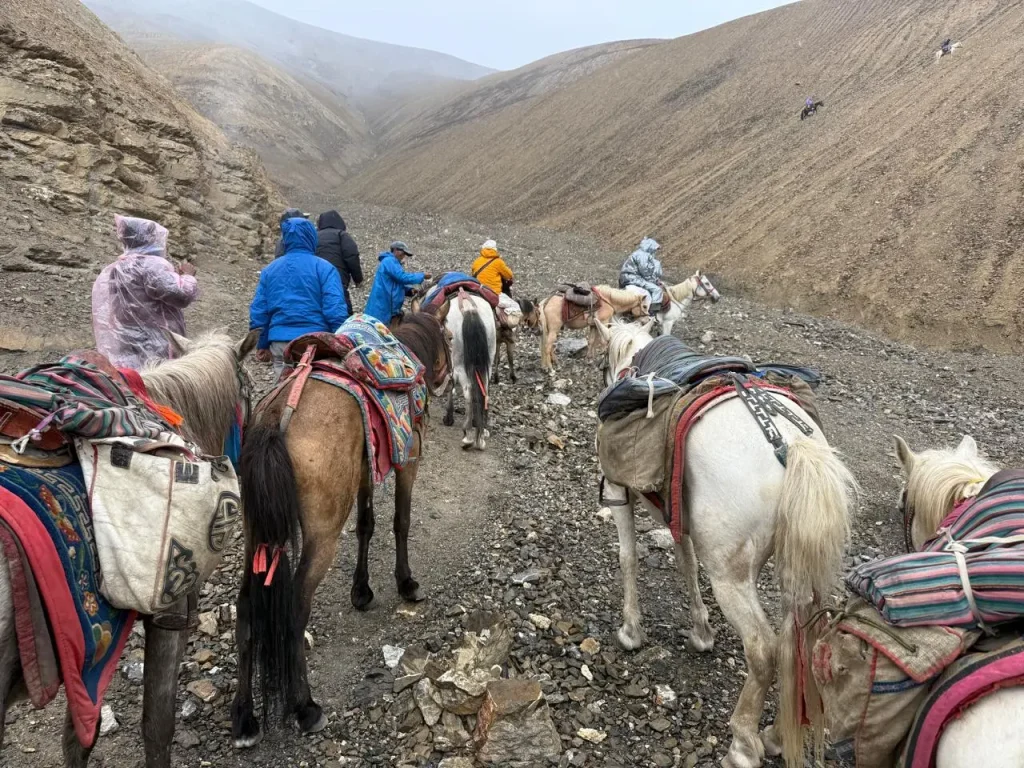
This is a unique solution for families who want to experience trekking routes but are concerned about children’s stamina. Horseback riding lets younger family members ride when tired while older members walk.
How it works:
- Horses carry children (and gear) along trekking routes
- Parents can walk or ride as needed
- Experienced horse handlers accompany you
- Most suitable for established trekking routes
Popular horseback trek regions include the Annapurna region, Langtang Valley, lower sections of the Everest region, and Upper Mustang.
This isn’t the same as a dedicated horse trek. It’s more of a hybrid approach that makes trekking accessible for families with children who aren’t ready for full days of walking. The pace is slower, which actually gives you more time to observe surroundings and chat with guides about local life.
Relax at a Resort with Family Amenities
After days of activity, sometimes you just need to relax. Several hotels in Kathmandu and Pokhara offer family-friendly amenities including pools, spas, and comfortable rooms.
In Pokhara especially, lakeside resorts combine mountain views with comfort. Your family can spend mornings by the pool, afternoons exploring the lakeside area, and evenings enjoying good food with the Himalayas in the background.
This works well:
- At the end of a trek to rest and recover
- For families with varied energy levels
- On particularly hot days when everyone needs a break
- As a base while taking day trips
Many families mix activity days with rest days. Trek for three days, relax for one, visit wildlife for three days, relax for one. This rhythm works especially well with children who need downtime.
Planning Your Family Holiday in Nepal: What We’ve Learned
After guiding many families through Nepal, here’s what tends to work:
- Start slowly: Kathmandu can be overwhelming with its traffic and crowds. Give yourself a day to adjust before starting activities.
- Mix activity levels: Combine active days (trekking, rafting) with gentler days (sightseeing, pool time). This prevents exhaustion.
- Listen to your family: The itinerary should flex around how everyone feels, especially at altitude.
- Don’t rush: It’s better to do fewer things well than to cram everything in and exhaust everyone.
- Consider seasons: October-November and March-April offer the best weather for most activities. December-February is colder but has clear skies. June-September brings monsoon rains.
- Altitude matters: If trekking above 3,000m, plan for proper acclimatization, especially with children.
- Hygiene and health: Bring hand sanitizer, drink bottled or purified water, and pack a basic medical kit. Most families have no issues, but prevention helps.
Ready to Plan Your Family Trip to Nepal?
These ten ideas work because they’re flexible enough to fit different families, whether you’re traveling with toddlers or teenagers, whether you want adventure or culture, whether you have one week or three.
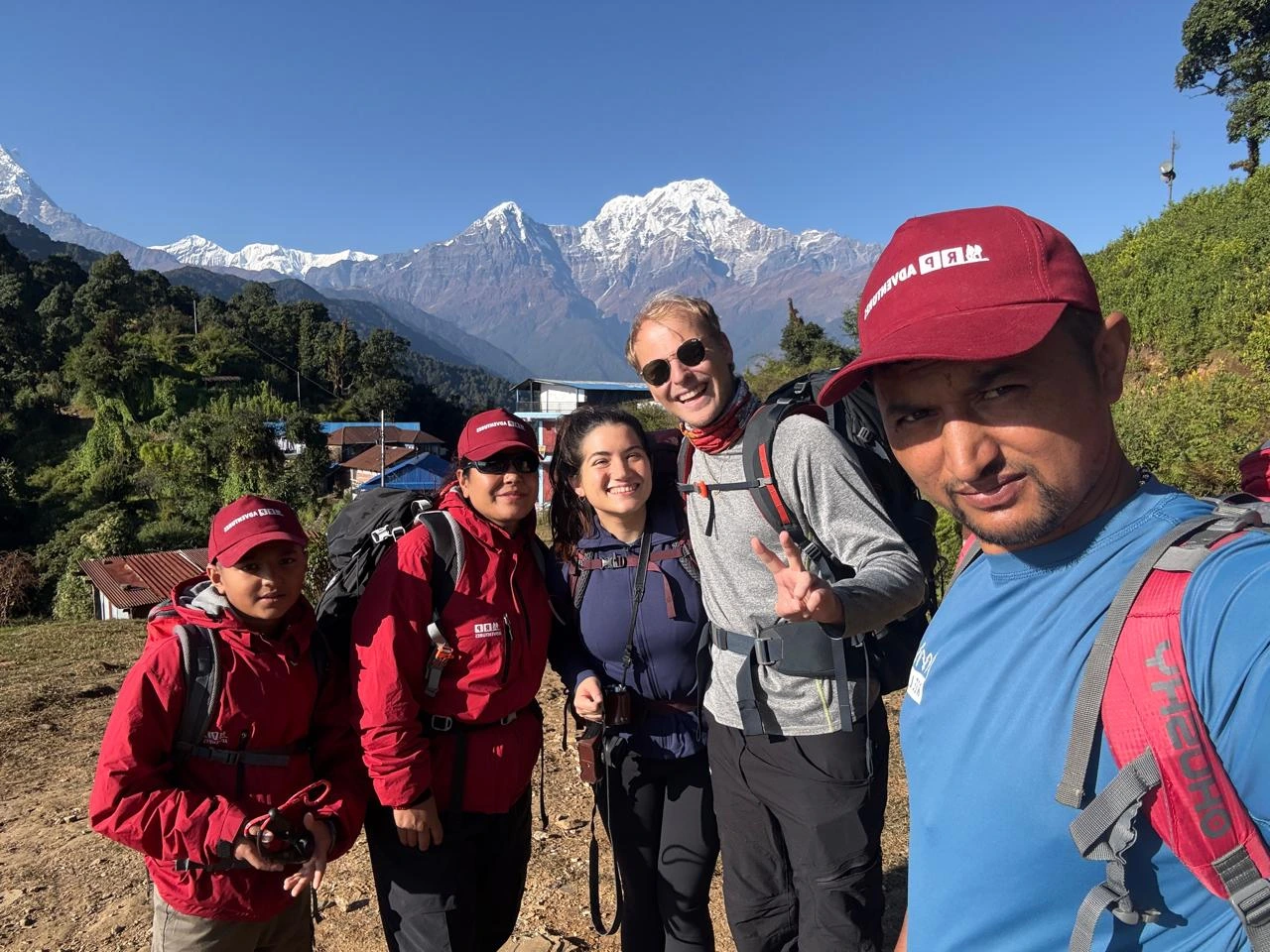
We RP Adventures don’t believe in one-size-fits-all family holidays. We’d rather understand your family’s interests, ages, fitness levels, and concerns, then suggest what will genuinely work for you.
Want to talk through your options? Contact our team. We’re based in Kathmandu and happy to share what we’ve learned from years of guiding families through Nepal. No pressure, just honest advice from people who know these routes and experiences firsthand.
Your family’s Nepal adventure is closer than you think.
Posted on